The Connection Between Water Damage and Mold Growth: What You Need to Know
- May 12, 2025
- 1:10 pm
- Mold Damage, Mold Remediation, Water Damage, water damage restoration
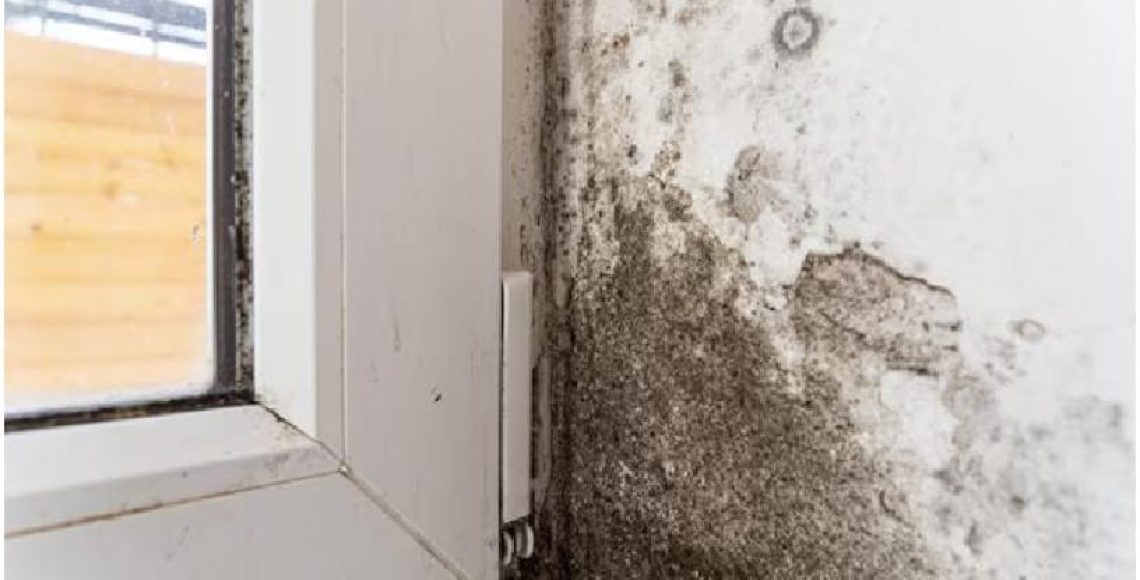
When we talk about water damage and mold growth these both are interconnected. Mold can only thrive in damp environments. And wherever there is water damage, you will ultimately see mold growth. Whether we talk about minor leaks or there is severe flooding, wherever you notice any excess moisture, there will be an ideal breeding ground for mold spores and eventually that place will need water and mold damage restoration. Understanding this connection is vital if you wish to stay away from long-term structural damage, potential health hazards, and costly repairs.
Below is what you need to know about water damage and mold growth and how you can prevent them.
Understanding Water Damage and Its Causes
Water damage means there is some kind of harm or destruction that is caused to the building materials, belongings, or things inside your home or office due to water intrusion. The causes of water damage are varied but generally, they stem from two main sources- one is acute events and the other is chronic issues.
- Acute Events: Now things that happen out of the blue come under the category of acute events. These can be flooding, bursting of pipes; appliance malfunctions, etc. This can release large volumes of water and can cause immediate risk. For example, a broken water heater or a dishwasher leak can saturate the floors and walls very fast, and this can cause considerable damage within hours.
- Chronic Issues: Then there are chronic issues such as persistent leaks from pipes, roofs, or windows. They might appear minor initially but, over time, they can result in extensive water damage. Chronic issues are more insidious because the damage often goes unnoticed until it becomes severe.
In both these scenarios, the moisture becomes trapped in materials such as wood, drywall, carpet, or insulation. This sets the stage for mold growth after water damage.
The Mold Growth Process
Mold spores are always present in the air, both indoors and outdoors, and are generally harmless at low levels. However, when spores find a suitable environment—one that includes warmth, a food source (like wood or drywall), and most importantly, moisture—they begin to grow.
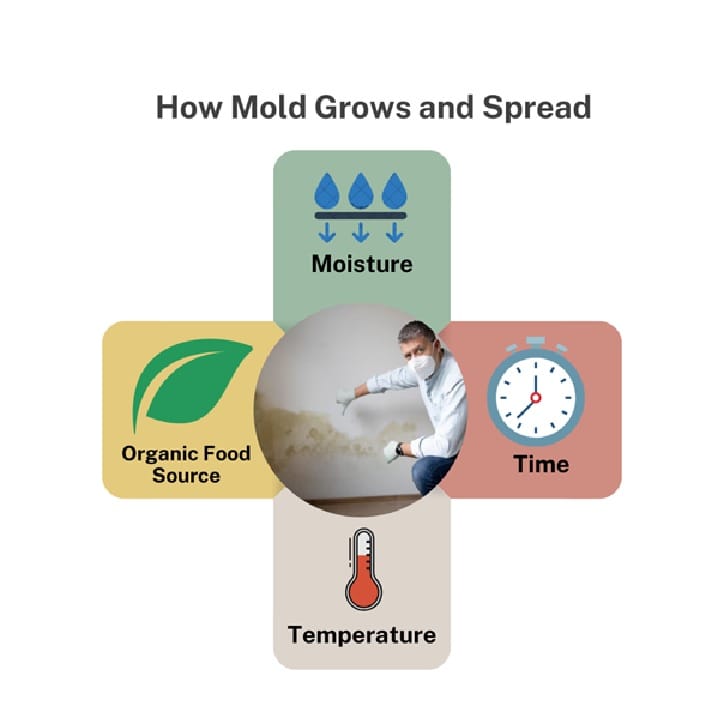
For mold to thrive, it needs:
- Moisture: Mold spores need a moisture source to germinate.
- Temperature: Mold grows best in temperatures between 77°F and 86°F, which overlaps with the comfort range for most homes and offices.
- Food Sources For Mold: Mold needs organic materials to grow. Building materials such as drywall, wood, paper products, and even some paints are highly susceptible.
Given these conditions, any area with lingering moisture is likely to develop mold within 24 to 48 hours.
The Link Between Water Damage and Mold
When water damage occurs, surfaces remain wet, allowing mold spores to latch on, grow, and spread. Different materials respond to water damage and mold exposure in various ways:
- Porous Materials: Carpet, insulation, and wood are highly absorbent and retain moisture for long periods. These materials are the most prone to mold growth because they cannot dry quickly without intervention.
- Non-Porous Materials: Glass and metal do not retain moisture and are less susceptible to mold, though mold can still grow on the dust and dirt that accumulate on these surfaces.
Health Risks Associated with Mold
Mold is not just an aesthetic issue or structural concern; it can also be a significant health hazard. Because of mold people get allergies, respiratory issues, headaches, fatigue and so much more. As these health risks are real, you should not delay remedial action.
Preventing Mold after Water Damage
Preventing mold growth after water damage involves taking immediate and thorough action. Here are some effective strategies:
- Immediate Water Removal: Quickly remove any standing water using pumps, vacuums, or absorbent towels. The faster water is removed, the less likely mold will have time to develop.
- Drying and Dehumidifying: After removing excess water, it’s crucial to dry the area completely. Use fans, open windows, and deploy dehumidifiers to reduce moisture levels. Aim to keep indoor humidity below 50% to inhibit mold growth.
- Inspect and Remove Affected Materials: For porous materials like carpets, drywall, and insulation, replacement is often the best course of action. These materials trap moisture and are challenging to dry completely.
- Cleaning and Disinfecting: Clean and disinfect all surfaces that may have been exposed to water. There are various mold-killing products available, but a solution of water and vinegar can also be effective on non-porous surfaces.
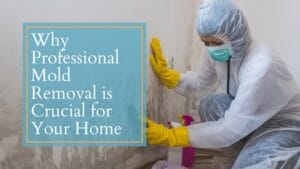
- Professional Mold Remediation: For large-scale water damage or if mold has already started to grow, it may be wise to hire a professional mold remediation service. They have specialized tools and expertise to treat extensive mold problems and prevent recurrence.
Long-Term Strategies for Mold Prevention
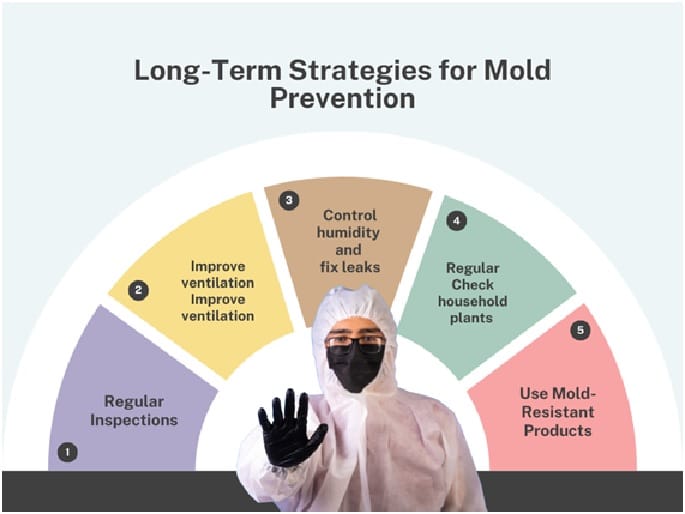
Aside from addressing water damage immediately, certain preventive measures can help minimize the risk of mold growth over the long term:
- Regular Inspections: Check for leaks in plumbing, roofing, and other susceptible areas periodically. Identifying and addressing leaks early can prevent water damage from developing.
- Ventilation: Ensure adequate airflow in areas prone to moisture, like kitchens, bathrooms, and basements. Exhaust fans, windows, and ventilation systems can help reduce humidity levels.
- Control Indoor Humidity: Check the humidity level and make sure it is below 50%. Using a hygrometer can help you monitor and adjust indoor humidity.
- Use Mold-Resistant Products: Go for mold-resistant drywall, paint, and insulation as this can help limit mold growth.
The Costs of Ignoring Mold Growth
Failing to address water damage and mold growth can lead to significant financial and health-related costs.
- Structural Damage: Mold can weaken wooden structures, damaging walls, ceilings, and floors, which may require full replacement if the damage is extensive.
- Loss of Personal Belongings: Items like carpets, furniture, and other porous belongings may become unsalvageable if they absorb too much water or mold.
- Decreased Property Value: Properties with mold issues have lower resale values, as buyers are cautious about potential health risks with mold and costly repair costs.
In extreme cases, buildings with severe mold infestations may be deemed uninhabitable, resulting in even more financial burdens.
Conclusion
The connection between water damage and mold growth is lucid. It poses significant risks to your property and health. Just within 24 to 48 hours of water exposure, mold growth can happen. So, it is vital that you act fast without any delay. By removing water, drying affected areas, and monitoring for signs of mold growth, homeowners can reduce the risks that are linked with water damage and mold.
Proactive measures such as regular inspections, controlling indoor humidity, and using mold-resistant materials can help. In the event of severe water damage or mold infestation, professional remediation services offer expertise that ensures effective and lasting solutions. For the best water and mold damage restoration services hire the experts at Vortex Restoration. With them, you will have an efficient and affordable solution to your problem.
When you understand the link between water damage and mold growth it not only safeguards your property but also promotes a healthy indoor environment. Take the necessary steps and get complete peace of mind.
Share On Social
Follow Us
Recent Posts

What to Do Immediately After Fire Damage: A Step-by-Step Guide
Why Professional Mold Removal is Crucial for Your Home