
Wildfire-Proof Your Home: Building Materials and Landscaping Tips to Minimize Damage
- September 23, 2025
- 7:07 pm
- Blog, Fire Damage, Fire Damage Restoration
Wildfires kill more than 4000 people each year. This is a disturbing but true fact. We all need to step up and adopt measures that can prepare us for this huge tight spot. Wildfire preparedness should be given adequate short shrift. Even though there is no such material that is 100% fireproof, there are several things that you can do to ensure that the loss is not too much. In case you live in a wildfire-prone area, you must do some smart planning. Go for fire-resistant materials and strategic landscaping, as this can drastically minimize the chances of your home getting burnt.
If a wildfire is approaching, minutes — even seconds — count. These wildfire preparedness essentials can help protect your property and give you more time to evacuate safely:
- Store fire tools where accessibility isn’t a problem – Always have fire tools such as hoses, shovels, and fire extinguishers in proximity.
- Have an emergency evacuation kit – This should contain all important documents, all necessary medications, clothing, food, and water.
- Set up a roof sprinkler system – This can wet down your place if there is a fire.
- Always have a backup water supply – You can have a tank, or a pool with a pump in your home for emergencies.
- Use smart home fire tech – Heat sensors and remote sprinkler activation offer early warnings.
Creating Defensible Space:
Landscaping plays a very important role in wildfire-proofing your homes. You should design your yard to create a “defensible space”.
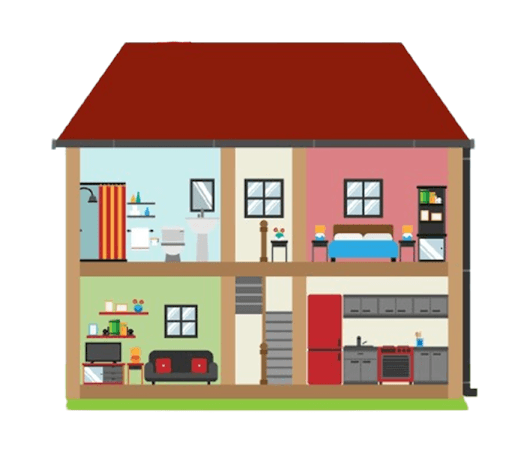
Zone 1 (0–5 feet from the home)
This is the most vital area when it comes to fire defense. This should not have any kind of flammable materials. You should have more gravel or stone in this area. Do not plant shrubs or trees in this zone, and keep all surfaces (walls, walkways, patios) made from non-combustible materials.
Zone 2 (5–30 feet from the home)
Then there is zone 2. It is 5- 30 feet away from your home. In this zone, you can put fire-resistant plants. Trim the grass regularly and prune trees so that branches do not hang over the roof or touch other plants. The vegetation should be spaced. This will preclude the fire from jumping between the plants. Also, make certain that there are no dead plants, dry leaves, or yard debris in this area.
Zone 3 (30–100 feet from the home)
Trim the trees and shrubs in this area to diminish the amount of flammable material. Get rid of dead or dying trees, clear fallen branches, and keep undergrowth trimmed. Give a break to the continuous areas of vegetation with hardscape features such as stone walkways, driveways, or lawns.
Choosing Fire-Resistant Plants
Certain plants catch fire faster than others. So, if you live in an area that is prone to fires, you should have low-resin, high-moisture plants in your home. These plants are known for being fire-resistant. Some of the good fire-resistant plants are lavender, California lilac, rockrose, yarrow, and succulents.
Avoid highly flammable plants such as juniper, pine, eucalyptus, and ornamental grasses, as these serve as fuel for fires. Plants should be put in well-maintained beds and surrounded with gravel or stone borders. This will help slow the spread of flames.
Smart Irrigation and Yard Maintenance
When the landscape is well hydrated, it is far less likely to catch fire. Regularly inspect irrigation equipment and repair any leaks or blockages.
Remove dry grass, weeds, and dead vegetation. Prune trees and shrubs regularly. Clean roofs, gutters, and downspouts of all debris, especially during dry months. Well-maintained landscaping can stop a fire from reaching your home.
Hardscaping for Fire Protection
Hardscaping features are good for aesthetics. They also serve as effective fire breaks. You can use gravel paths, stone patios, and retaining walls. This will divide the vegetation and minimize fuel continuity. Also, you can replace bark or wood chip mulch with decomposed granite or lava rock. This does not ignite easily and will be good for your home.
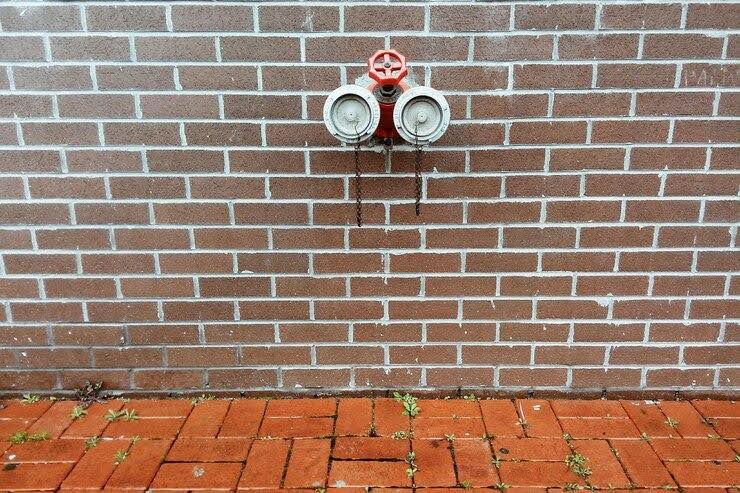
Concrete or stone walls can hinder wind-blown embers. Also, if you have wide driveways and open patios, these can act as defensible zones for firefighting efforts.
Driveway and Emergency Access
Accessibility is crucial for both evacuation and firefighting. Make sure your driveway is at least wide enough to allow fire trucks to pass. Keep it clear of overhanging branches and obstacles.
Display your house number in a visible location, using fire-resistant materials like metal.
Additional Fire-Preparedness Tips
In addition to construction and landscaping, several other measures can help protect your home:
- Install roof sprinkler systems to wet down the house when a fire is approaching.
- Keep a backup water supply—such as a tank, pond, or swimming pool—with a pump.
- Store fire tools such as hoses, shovels, and extinguishers where you can reach them without any delay.
- Always have an emergency evacuation kit ready with documents, medications, clothing, and food.
- Use smart home tech (e.g., heat sensors, remote sprinkler activation). This will give you early warnings.
Building or Remodeling with Fire Resistance in Mind
If you’re constructing a new home or renovating, now is the right time to make fireproof home upgrades that offer you long-term protection against wildfires.
- Chemically treated natural building materials – Flame-treated wood slows burning. This way, you get time for emergency responders to help you. This kind of building material is ideal for siding, trim, and decks.
- Treated cellulose insulation – Made from recycled paper and borate fire retardants, this improves efficiency and slows fire spread inside walls.
- Fire-resistant glass and doors – Tempered glass withstands more heat; you must opt for solid-core or metal doors over hollow-core. Also, use 1/8-inch metal mesh screens to keep embers out.
- Non-combustible siding – Fiber cement, stucco, brick, stone, or metal outperforms wood or vinyl. Seal gaps with fire-rated caulking and flashing.
- Deck and porch safety – Go for fire-retardant-treated wood, composite, or metal decking. Get rid of any combustible items during fire season. Enclose the deck undersides with mesh or non-combustible siding.
Wrapping up
So, these are some tips to protect your home from wildfire damage. If you are aware of the imminent danger and plan for it in advance, the chances that you will pass through the predicament without much damage amplify greatly.
In case you or your loved ones face any kind of issues due to fire damage or you wish to fire-proof your home, get in touch with the experts at Vortex Restoration. While there is nothing that can be entirely fireproof, these experts can increase your chances of survival and minimize property loss.
Share On Social
Follow Us
Recent Posts
What to Do Immediately After Fire Damage: A Step-by-Step Guide

Why Professional Mold Removal is Crucial for Your Home